
Q&A with Dr. Yasmin Lalani and Danielle Cameron
26
Jun
2025
The Research Institute at Humber River Health (Humber), along with medical oncologist Dr. Punam Rana, have been exploring the possibility of developing digital meditation resources, tailored to the needs of Humber’s cancer patients.
This research program seeks to bridge the gap between evidence-based benefits of meditation and its practical application in cancer care. Before creating the tool, the team found it essential to understand the lived experiences and specific needs of Humber’s patients, prompting them to engage with patients directly through surveys and interviews. Key to their patient-centred approach to research was their collaboration with Danielle Cameron, a member of Humber’s Patient and Family Advisory Council (PFAC).
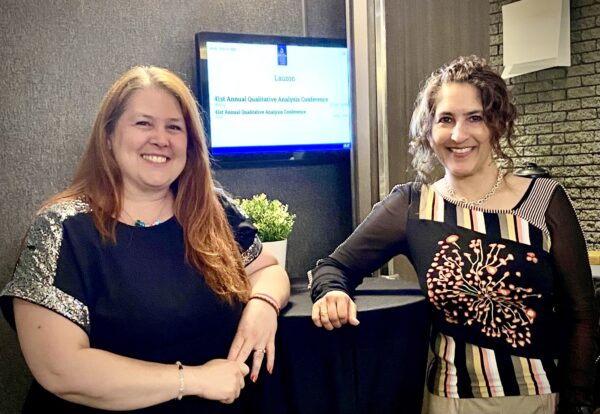
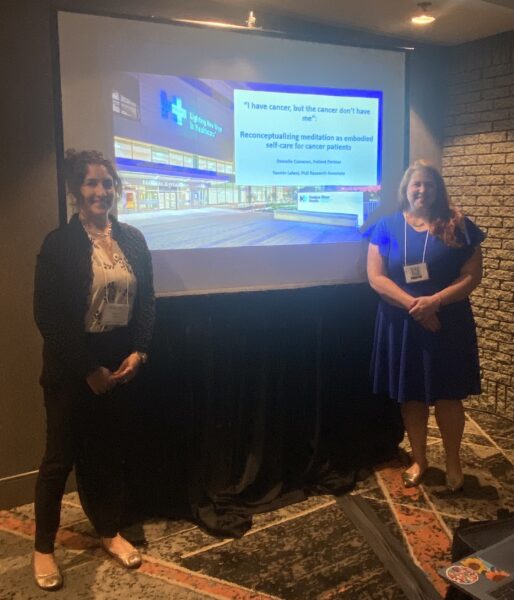
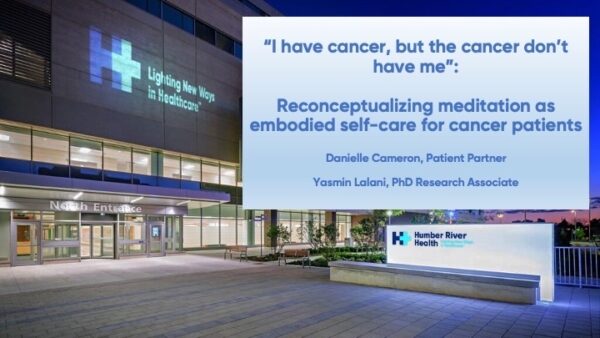
Recently, Danielle and Research Associate, Dr. Yasmin Lalani, shared findings from interviews exploring cancer patients’ experiences of stress, coping, and meditation at the Qualitatives Conference in Quebec City. Below is a Q&A with Danielle and Dr. Lalani where they share their insights in working on this project, from the researcher and patient perspective:
Why was it important to explore the patient experience from both a lived and research perspective?
Dr. Lalani: In my experience, engaging patients in the research process in an active way can be effective to uncover the nuances of what they go through. This is why research methods like interviews are so valuable. In-depth interviews are essentially open, informal conversations that lead to the discovery of new knowledge and reveal the “little things” that mean a lot to patients. I understand this firsthand having been a parent advocate on Mount Sinai’s NICU research advisory committee, where, over the course of several months, I shared my experience as a mother of an infant in intensive care. Similarly in this cancer study at Humber, while I bring expertise as a researcher, there are elements of human experience that can only be accessed by building trust and connection over time with a patient. The result is a fuller picture of their needs in context, so that care can be designed to support the whole person.
What motivated you to get involved in this research project?
Danielle: Many things motivated me. I am a knowledge seeker, so I love learning, and I was very interested in research to begin with because of the charity I started, the Inflammatory Breast Cancer (IBC) Network Foundation, and looking into funding research for IBC. I am not a professional, of course, but this has been great for me to learn about the research processes involved. The other motivation for me, is being able to help patients living with cancer.
What was it like to collaborate with a researcher—did it change how you see research or healthcare?
Danielle: It has been really eye-opening and a wonderful learning experience. I have enjoyed getting to know Yasmin and understanding all these nuances of the research process. From the patient perspective, it was nice to know that so much effort goes into it. The data analysis piece was fascinating for me, especially all the different ways that exist to analyze data in qualitative research. It was very interesting to learn about the theories behind this, how they can be applied, and how meaningful it is to be able to pull a quote from a cancer patient and understand the deeper meaning behind it. I have this privileged opportunity to get my foot on both sides of the fence, so to speak. I initially thought research was this almost “untouchable” thing from a patient perspective. This experience has changed that. Patients can absolutely be authentically and effectively involved in research.
What’s one insight or moment from this partnership that has stayed with you?
Dr. Lalani: One insight that has stayed with me from our partnership was from when we presented at the Canadian Association for Psychosocial Oncology (CAPO) conference in April 2025. CAPO focuses on the psychosocial elements of cancer care, encouraging compassion in every clinical encounter with patients and the crucial importance of embedding humanistic, person-centred care in a tech-saturated world. When we attended the conference, I loved how warmly everyone at the conference embraced Danielle as a patient. In conference rooms full of physicians, nurses, allied health professionals, and researchers, it was clear that the value of patient-provider human interaction was being thoughtfully strategized for implementation, not treated as mere lip service or a “nice to have.” Experiencing the CAPO conference alongside Danielle sparked so many ideas amongst us about how we can advance psychosocial care across the life course, with patients guiding us along the way so that we can better serve them.
Danielle: I came in unsure of how I would fit into a research study or how much value I would provide, but I have come out of it with a much better understanding of the value lived experience can bring and a lot more confidence in using my voice. It has been eye opening to see how research does not just have to be about numbers and data – it can be about real stories and human connection too.
What really stuck with me, though, was working with Yasmin. From the very start, she treated me as a true partner. She was always thoughtful, open, and genuinely curious about what I had to say, not just as a “patient voice,” but as a person with real insight to contribute. I never felt like a “token” participant. I felt respected, heard, and never overwhelmed and that is not something I take for granted.
To read more about this program, click here.